
Why Is My Semi Truck Losing Coolant So Fast?
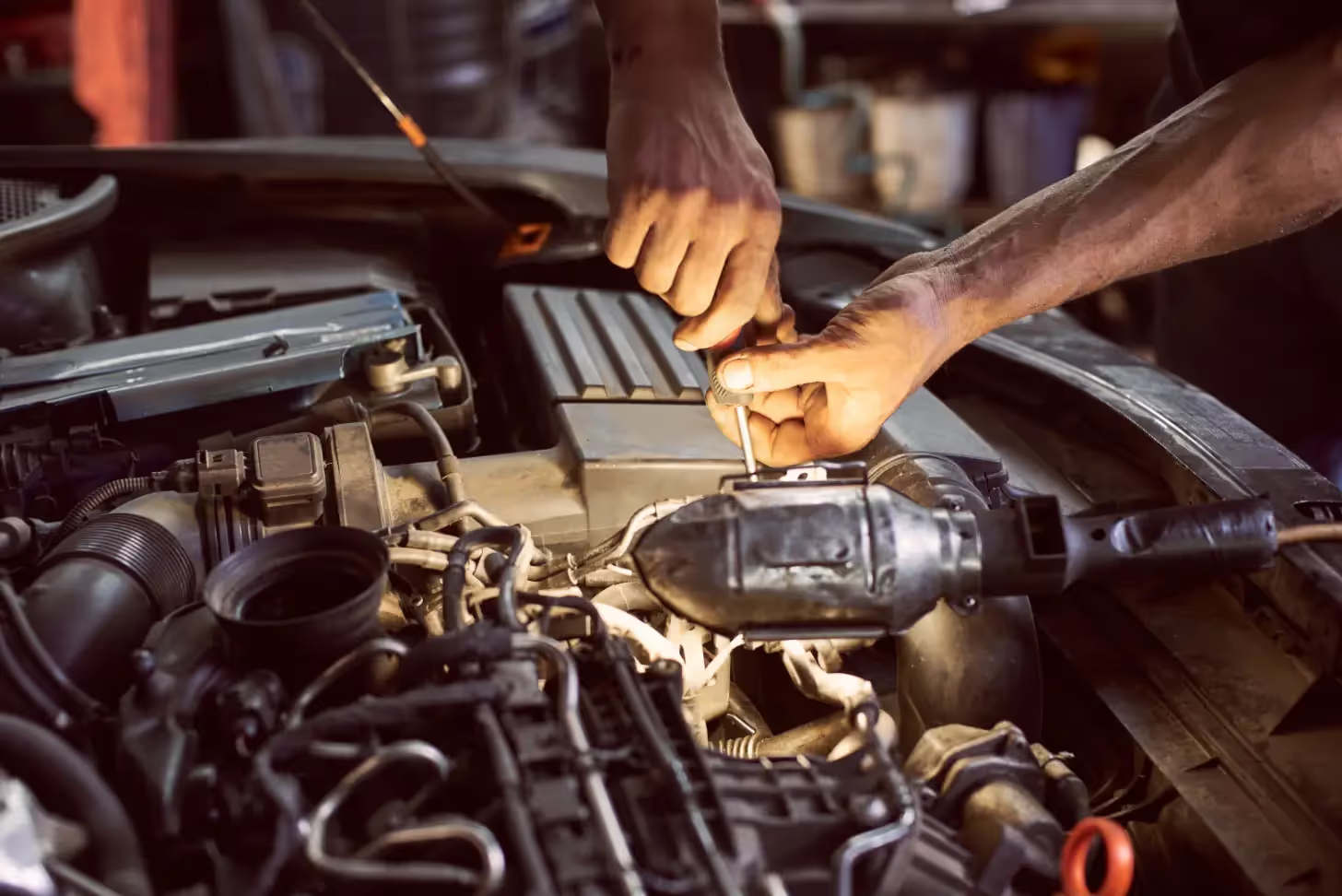
If your rig is knocking back coolant like it’s fuel, you don’t want to let it get worse. Losing coolant is more than just an annoyance; it’s a sign of a bigger issue on the way. Yup, it’s often a warning sign that something deeper is going wrong under the hood. And if you ignore it, you’re walking a thin line with overheating, engine damage, and expensive downtime.
So what do you do when you notice a coolant leak, and what can happen if you choose to deal with it later?
How Your Coolant System Works
Long story short: Your engine produces intense heat during combustion. To prevent overheating and keep it cool, engine coolant flows through the engine block, absorbing heat. From there, it travels to the radiator, where it cools before cycling back. This continuous loop prevents overheating and keeps your engine operating efficiently.
When coolant starts disappearing, it means one of two things:
- It’s leaking out
- It’s being burned or contaminated internally
Either way, it’s a red flag.
What Causes Coolant Loss in Semi Trucks
Alright, when it comes to what causes coolant leaks in your semi truck, there are a few usual causes
External Coolant Leaks
This is the most straightforward cause. If coolant is escaping the system, you’ll often see puddles, residue, or crusty buildup.
Common leak points include:
- Radiator leaks
- Cracked or worn coolant hoses
- Loose clamps or fittings
- Damaged coolant reservoir
- Faulty water pump seals
The thing is, even a small leak can add up fast, especially on long hauls. What starts as a drip can turn into a steady loss before you know it.
Blown Head Gasket
Here’s a big one. Here’s where things get serious.
A blown head gasket allows coolant to enter the combustion chamber or mix with engine oil. When that happens, coolant doesn’t just disappear; it gets burned off or contaminates other systems.
Signs to watch for:
- White smoke from the exhaust
- Milky oil (coolant mixing with oil)
- Loss of power
- Engine overheating
If your truck is losing coolant with no visible leak, this is a prime suspect.
Faulty EGR Cooler
Your EGR cooler failure is another sneaky culprit.
The EGR system recirculates exhaust gases to reduce emissions, and it uses coolant to lower temperatures. If the cooler cracks internally, coolant can leak into the exhaust system and burn off without leaving obvious traces.
Symptoms include:
- White exhaust smoke
- Coolant loss with no external leaks
- Poor engine performance
Leaking Water Pump
Your water pump keeps coolant circulating through the engine. When it fails, coolant can leak from the pump housing or weep hole.
Common indicators:
- Coolant is dripping near the front of the engine
- Grinding or whining noise
- Engine running hotter than normal
A failing pump won’t just leak; it can also reduce coolant flow, increasing the risk of overheating.
Cracked Radiator or Pressure Cap Issues
A radiator leak in a semi truck doesn’t always mean visible damage. Sometimes, the issue lies in pressure control.
Your cooling system relies on pressure to raise the boiling point of coolant. If the radiator cap fails, pressure drops, and coolant can evaporate or overflow.
Look for:
- Coolant around the cap or overflow tank
- Frequent need to top off coolant
- Signs of overheating under load
Internal Engine Damage (Cylinder Liners or Block Cracks)
This is the worst-case scenario.
Cracks in the engine block or cylinder liners can allow coolant to seep into places it shouldn’t be. These failures are less common but extremely costly.
Symptoms:
- Persistent coolant loss
- Coolant in oil
- Hard starts or misfires
- Excessive exhaust smoke
If you’re dealing with this, it’s time for a professional inspection, no shortcuts.
Don’t Ignore Coolant Loss
Let’s be real, running low on coolant is asking for trouble.
Without proper cooling:
- Engine temperatures skyrocket
- Metal components expand and warp
- Oil breaks down faster
- Catastrophic engine failure becomes a real possibility
Because your diesel engine relies on coolant not just for temperature control, but for maintaining overall system balance.
How to Diagnose Coolant Loss Quickly
If your truck is losing coolant, here’s how you can narrow it down fast:
1. Perform a Visual Inspection
Check for:
- Wet spots
- Dried coolant residue (white or green crust)
- Drips under the truck
2. Pressure Test the Cooling System
A pressure test helps identify leaks that aren’t visible when the system isn’t under load.
3. Check the Oil
Checking the oil is as simple as pulling the dipstick. If the oil looks milky, coolant contamination is likely.
4. Inspect the Exhaust
White smoke often means coolant is being burned internally.
5. Monitor Engine Temperature
Fluctuating or rising temps can point to circulation issues or low coolant levels.
Preventing Future Coolant Problems
Fixing issue is one thing, keeping it from coming back is the next priority.
Here’s what works:
- Stick to a preventive maintenance schedule for diesel trucks
- Regularly inspect hoses, clamps, and connections
- Replace coolant at manufacturer-recommended intervals
- Use the correct coolant type and mixture
- Keep an eye on your temperature gauge; don’t ignore spikes
Coolant degrades over time and loses its ability to absorb heat effectively, so routine service is key.
When to Call a Professional
Some issues are DIY-friendly. Others? Not so much.
You should bring your truck in if:
- You can’t find the source of the leak
- Coolant loss is rapid or severe
- You suspect internal engine damage
- The truck is overheating consistently
Delaying repairs can turn a manageable fix into a full-blown engine rebuild.
What to Remember About Coolant Leaks
If your semi truck is losing coolant fast, don’t brush it off as “just a small leak.” Whether it’s a worn hose or a failing head gasket, coolant loss is always a symptom of a bigger issue.
Stay proactive. Inspect your system regularly. And when something feels off, trust your gut and get it checked out.
Because in this industry, downtime isn’t just inconvenient; it’s expensive.