
A Step-by-Step Guide: What Happens During a Semi-Truck Roadside Repair?
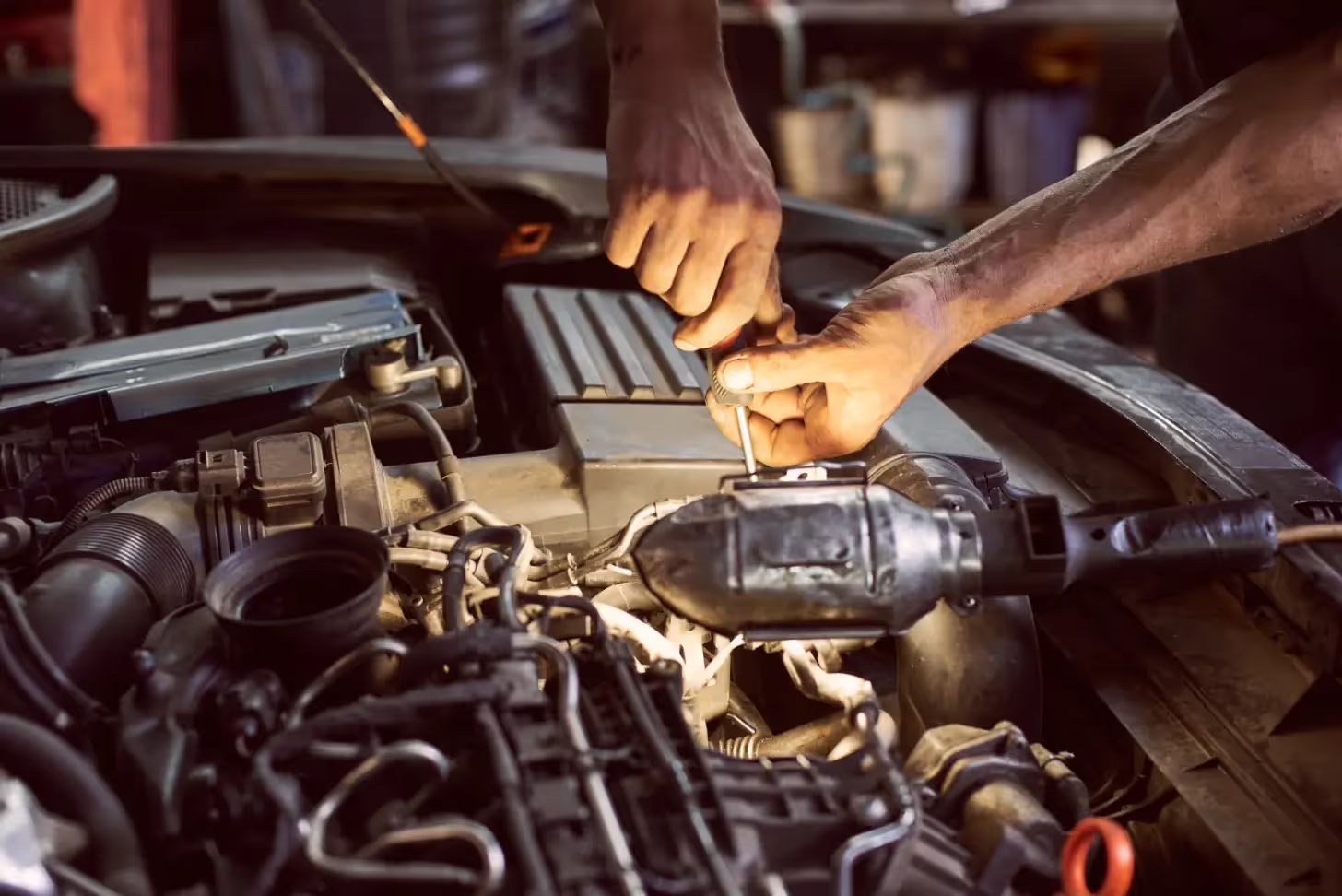
Your semi-truck suddenly loses power on I-64, and you're stuck on the shoulder with a delivery schedule to meet. A semi-truck roadside repair can address many mechanical problems without requiring a tow, but the process depends on the breakdown and surrounding conditions. Understanding each step helps you prepare for the technician's arrival and avoid unnecessary downtime.
Step 1: What Should You Do Immediately After a Semi-Truck Breakdown?
Safety comes first when your truck breaks down. A disabled tractor-trailer near moving traffic creates risks for you, passing motorists, and anyone responding to the scene.
Before requesting heavy-duty roadside assistance, follow these precautions whenever conditions allow:
- Find a safe stopping location: Move away from active traffic if the truck can safely continue operating.
- Activate hazard lights: Make your disabled vehicle more visible.
- Secure the truck: Set the parking brakes and follow proper shutdown procedures.
- Use warning devices: Place reflective triangles as required when conditions make deployment safe.
- Assess your surroundings: Watch for traffic, unstable shoulders, and poor visibility.
- Avoid risky repairs: Leave work involving heavy components, pressurized systems, or moving traffic to trained technicians.
Drivers should also consider the severity of the mechanical problem. Continued operation during low oil pressure or severe overheating can cause extensive engine damage.
Effective roadside incident safety management begins with identifying hazards before anyone attempts repairs.
Step 2: What Information Does Roadside Assistance Need?
Once your truck is secured, contact a roadside service provider and explain the situation.
The dispatcher needs enough information to locate you, understand the breakdown, and arrange the appropriate equipment.
Have these details ready:
- Exact location: Highway number, direction of travel, mile marker, or nearest exit.
- Truck information: Make, model, year, and engine type, if known.
- Trailer information: Trailer type, load condition, and any relevant damage.
- Mechanical symptoms: Warning lights, unusual noises, leaks, or loss of power.
- Vehicle condition: Whether the truck starts, moves, or requires towing.
- Safety concerns: Heavy traffic, limited shoulder space, or hazardous conditions.
For example, saying you're westbound on I-64 near Grayson, Kentucky, gives dispatch a more useful starting point than simply reporting a breakdown outside town.
Accurate information can reduce delays and help the technician prepare for the likely repair.
Step 3: How Does a Mobile Diesel Technician Prepare for the Repair?
After receiving the service request, dispatch coordinates a technician with suitable tools and equipment.
Unlike a conventional repair shop, mobile diesel repair requires technicians to bring diagnostic equipment, tools, and available replacement parts directly to the disabled truck.
Preparation may include:
- Reviewing the reported symptoms
- Identifying the truck's engine and major systems
- Selecting appropriate diagnostic equipment
- Checking availability of likely replacement parts
- Planning a safe approach to the breakdown location
- Determining whether specialized equipment may be necessary
Not every mechanical problem can be predicted over the phone. The technician may need additional parts after inspecting the truck.
Roadside response times also vary with location, traffic, weather, and technician availability.
Step 4: What Happens When the Roadside Technician Arrives?
The technician first evaluates the work area before inspecting the mechanical problem.
A truck parked on a narrow highway shoulder may require different precautions than one stopped at a truck stop or parking facility.
The initial assessment may involve:
- Checking traffic exposure and available working space
- Confirming the truck is properly secured
- Reviewing the driver's description of the breakdown
- Looking for visible fluid leaks or damaged components
- Identifying immediate mechanical hazards
- Determining whether roadside repairs can proceed safely
If conditions are unsuitable, the technician may recommend moving the vehicle with professional recovery equipment.
A safe repair location matters because even a straightforward repair can become dangerous beside high-speed traffic.
Step 5: How Does the Technician Diagnose the Truck's Problem?
After securing the work area, the technician begins roadside truck diagnostics to identify the actual cause of the failure.
Modern semi-trucks use electronic control modules to monitor engine performance, emissions systems, and other components. Diagnostic software can retrieve fault codes and provide valuable troubleshooting information.
Depending on the symptoms, testing may include:
- Engine diagnostics: Retrieve active fault codes and review engine operating data.
- Electrical testing: Check batteries, alternators, starters, and wiring connections.
- Fuel system checks: Inspect fuel delivery, filters, and relevant pressure readings.
- Cooling system inspection: Identify coolant leaks, damaged hoses, or overheating causes.
- Air brake checks: Examine accessible air lines, fittings, and pressure-related faults.
- Visual inspection: Check for loose connections, damaged components, and fluid leaks.
Not every warning light identifies a failed component directly. A fault code may point toward a system that needs additional testing.
Accurate troubleshooting helps prevent unnecessary parts replacement and reduces the chance of another breakdown.
Step 6: What Types of Semi-Truck Repairs Can Be Completed Roadside?
Many emergency semi-truck repairs can be completed without transporting the vehicle to a repair facility.
The technician considers the mechanical problem, available working space, equipment requirements, and replacement parts before proceeding.
Common roadside services include:
- Battery replacement: Addressing failed batteries or damaged connections.
- Starter repairs: Diagnosing and replacing accessible starting components.
- Alternator replacement: Restoring charging system performance.
- Coolant hose repairs: Replacing accessible damaged hoses after the system cools.
- Fuel filter replacement: Addressing restricted filters or certain fuel delivery problems.
- Air line repairs: Correcting accessible leaks when conditions permit.
- Electrical repairs: Fixing damaged connections, wiring, or selected components.
Certain commercial tire repairs may also be completed roadside when a properly equipped tire service technician is available.
However, severe internal engine damage, major transmission failures, and extensive structural repairs often require shop equipment.
Step 7: How Long Does a Semi-Truck Roadside Repair Take?
The time required for mobile truck roadside service depends on the specific problem and the conditions surrounding the breakdown.
A simple battery replacement may take considerably less time than diagnosing an intermittent electrical failure.
Several factors influence repair time:
- Complexity of the mechanical failure
- Accessibility of the damaged component
- Availability of replacement parts
- Diagnostic testing requirements
- Weather and working conditions
- Whether additional equipment is necessary
The technician may also discover related problems during the initial inspection.
For example, a truck experiencing charging problems might have a failed alternator, damaged wiring, or multiple electrical faults. Identifying the cause takes priority over replacing components based on symptoms alone.
Fleet operators can improve their response by establishing clear commercial breakdown response procedures before emergencies occur.
Step 8: How Does the Technician Verify the Roadside Repair?
Completing a repair doesn't automatically mean the truck is ready to return to service.
The technician should verify that the original problem has been corrected and that the affected system operates properly.
Depending on the repair, verification may include:
- Checking for active diagnostic fault codes
- Confirming normal battery charging voltage
- Inspecting repaired connections for leaks
- Monitoring engine temperature
- Verifying appropriate oil pressure
- Checking repaired air system components
- Confirming the repair doesn't create additional safety concerns
Some repairs require more extensive testing than roadside conditions allow.
If the truck cannot be verified as safe to operate, the technician may recommend transporting it to a repair facility.
Step 9: When Does a Roadside Repair Turn Into a Tow?
Some failures exceed the practical limits of heavy-duty roadside repair.
Major mechanical damage may require vehicle lifts, specialized equipment, component removal, or controlled shop conditions.
Towing may become necessary when:
- The engine has severe internal damage.
- The transmission cannot operate safely.
- Major brake system damage prevents safe operation.
- Structural damage compromises the vehicle.
- Critical replacement parts are unavailable.
- Traffic conditions make the repair location unsafe.
The technician can explain the findings and help determine the appropriate next step.
A tow may involve additional downtime, but moving the truck to a suitable facility can prevent further damage and reduce repair hazards.
How Can Drivers Prepare for Future Roadside Breakdowns?
No maintenance program can eliminate every unexpected failure. However, regular semi-truck preventive maintenance can reduce breakdown risks and make emergency service calls easier to manage.
Drivers and fleet managers should prioritize:
- Pre-trip inspections: Check tires, lights, fluid levels, and visible damage.
- Scheduled maintenance: Follow engine, transmission, and chassis service intervals.
- Battery inspections: Watch for weak starting performance and corroded connections.
- Cooling system checks: Address leaks, deteriorated hoses, and overheating concerns.
- Brake system inspections: Investigate air leaks and abnormal braking performance.
- Emergency planning: Keep roadside contacts and vehicle information accessible.
Fleets operating around Grayson, Carter County, and northeastern Kentucky should also review their common routes and breakdown response plans.
A well-maintained truck and an organized emergency procedure can reduce avoidable delays when mechanical problems occur.
Schedule Your Semi-Truck Roadside Repair
A semi-truck roadside repair typically involves securing the vehicle, coordinating assistance, diagnosing the failure, completing suitable repairs, and verifying safe operation. Understanding what happens during a semi-truck roadside repair helps drivers and fleet managers prepare for emergencies, improve communication, and reduce unnecessary downtime.
If you’re looking for an emergency assistance partner, we at Bluegrass Diesel Repair provide heavy-duty roadside assistance in Grayson, KY, helping drivers address unexpected truck breakdowns. Contact the team when you need professional assistance with a disabled commercial truck.